

PrivacyArmor GPT
Protects sensitive information in OpenAI prompts by automatically filtering email addresses to ensure GDPR compliance.
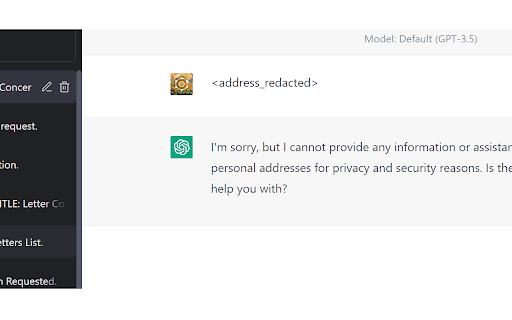
About PrivacyArmor GPT
PrivacyArmor GPT safeguards sensitive data within OpenAI prompts by automatically removing email addresses, promoting GDPR compliance and data security.
How to Use
Use PrivacyArmor GPT as a pre-processing step for your prompts. It detects and removes email addresses before submitting prompts to OpenAI, ensuring privacy protection.
Features
- Automated removal of email addresses
- Supports GDPR compliance in AI workflows
- Protects sensitive information in prompts
Use Cases
- Preventing accidental email exposure in AI-generated content
- Safeguarding user data during customer support interactions with AI
- Ensuring GDPR compliance when processing personal data with AI
Best For
Compliance officersData scientistsAI developersMarketing professionalsLegal teamsCustomer support teams
Pros
- Easy integration into existing systems
- Minimizes data breach risks
- Automatically removes email addresses
- Enhances GDPR compliance efforts
Cons
- Detection accuracy depends on the algorithm
- Only filters email addresses, other sensitive data may need separate handling
- May require configuration for specific data formats or use cases
FAQs
What types of data does PrivacyArmor GPT protect?
It primarily filters out email addresses from OpenAI prompts to enhance privacy and GDPR compliance.
How does PrivacyArmor GPT support GDPR compliance?
By automatically removing email addresses, it reduces the risk of processing or storing personal data improperly.
Can PrivacyArmor GPT handle large volumes of prompts?
Yes, it is designed for scalable processing, making it suitable for high-volume AI workflows.
Does PrivacyArmor GPT remove other types of sensitive data?
Currently, it focuses on email addresses; additional data types may require extra filtering solutions.
Is PrivacyArmor GPT easy to integrate with existing AI systems?
Yes, it seamlessly integrates as a pre-processing step to enhance data privacy in your AI prompts.